
The Livestock Visuals Library
Think of a photograph you’ve never forgotten. Or a video, a piece of art, a single graph that changed how you saw the world.
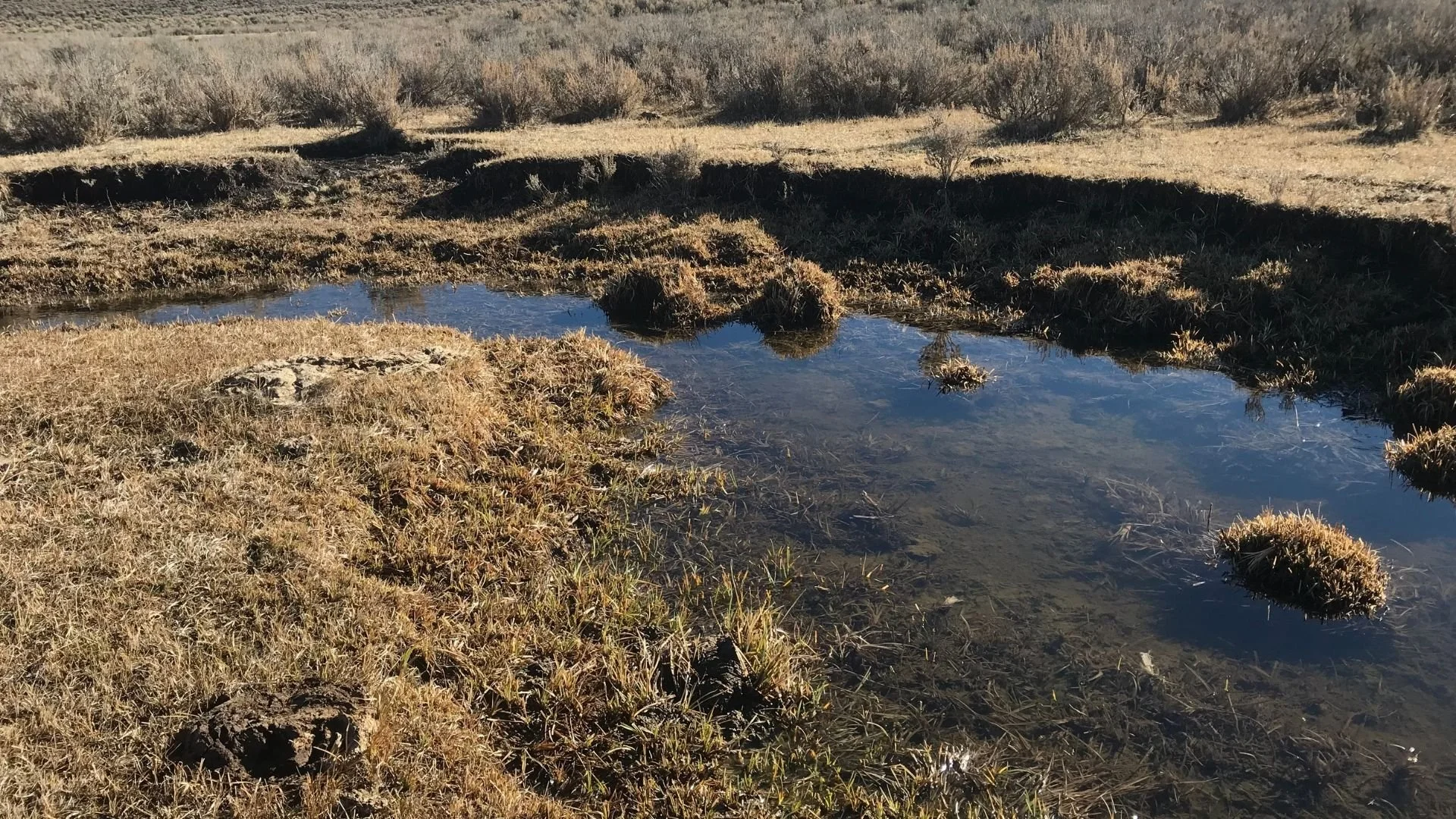
The impacts of livestock on our public lands, and on the planet itself, are not abstract. They are physical. They are visible. And once seen, they are impossible to unsee.
The Livestock Visuals Library is a crowd-sourced library. Bring your most memorable photos, videos, art, and graphs that reveal the myriad forms of damage livestock grazing does to our public lands. You can bring photos of places where livestock don’t graze to show the difference.
And given that it’s a library, you can use any visual to help in your
efforts to get livestock off our public lands, out of our streams, out
of our meadows and sagebrush sea and aspen and atmosphere.
Take a moment and think of those photos or videos or graphs
that have made the most difference in your thinking about public
lands livestock grazing, and share them with others through the
Visuals Library.PLEASE NOTE: Images must be of public land ONLY
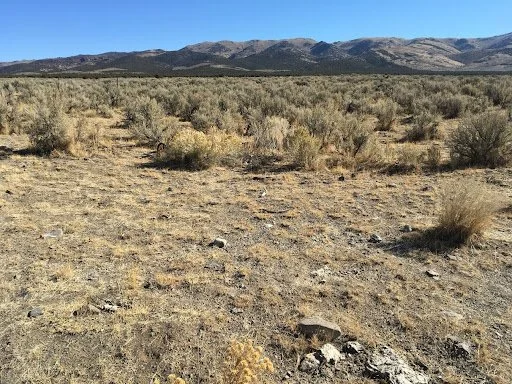
Use them in presentations and briefings. Incorporate visuals into presentations for community meetings, conferences, classrooms, webinars, or briefings with state and federal legislators and their staff. Strong imagery can make complex land-use and livestock impacts immediately legible.
Share them with media. Provide visuals to reporters, editors, and producers to support stories, op-eds, or investigative pieces. These images can help ground reporting in real conditions on the ground and strengthen coverage.
Promote events and actions. Use visuals to advertise events you’re hosting or sponsoring, including public forums, rallies, film screenings, workshops, or fundraisers. Images can also be used in event invitations, social media promotion, and follow-up materials.
Support advocacy and public comments. Include visuals in advocacy materials, comment letters, issue briefs, fact sheets, and outreach to decision-makers. Images can reinforce written arguments and provide concrete examples of on-the-ground impacts.
Learn from the landscape. Explore the library to better understand livestock impacts, land health conditions, and management practices across different regions. Visuals can be a powerful learning tool for advocates, students, and community members alike.
Connect with contributors. Reach out to the person who shared a visual if you need additional context, documentation, or permission for expanded use. The library is also a way to build relationships and strengthen networks.
Create and curate. Organize a video or photo showcase, virtual exhibit, or community screening using contributed visuals. Curated collections can tell a larger story and help bring new audiences into the conversation.
What can you do with visuals from the library?
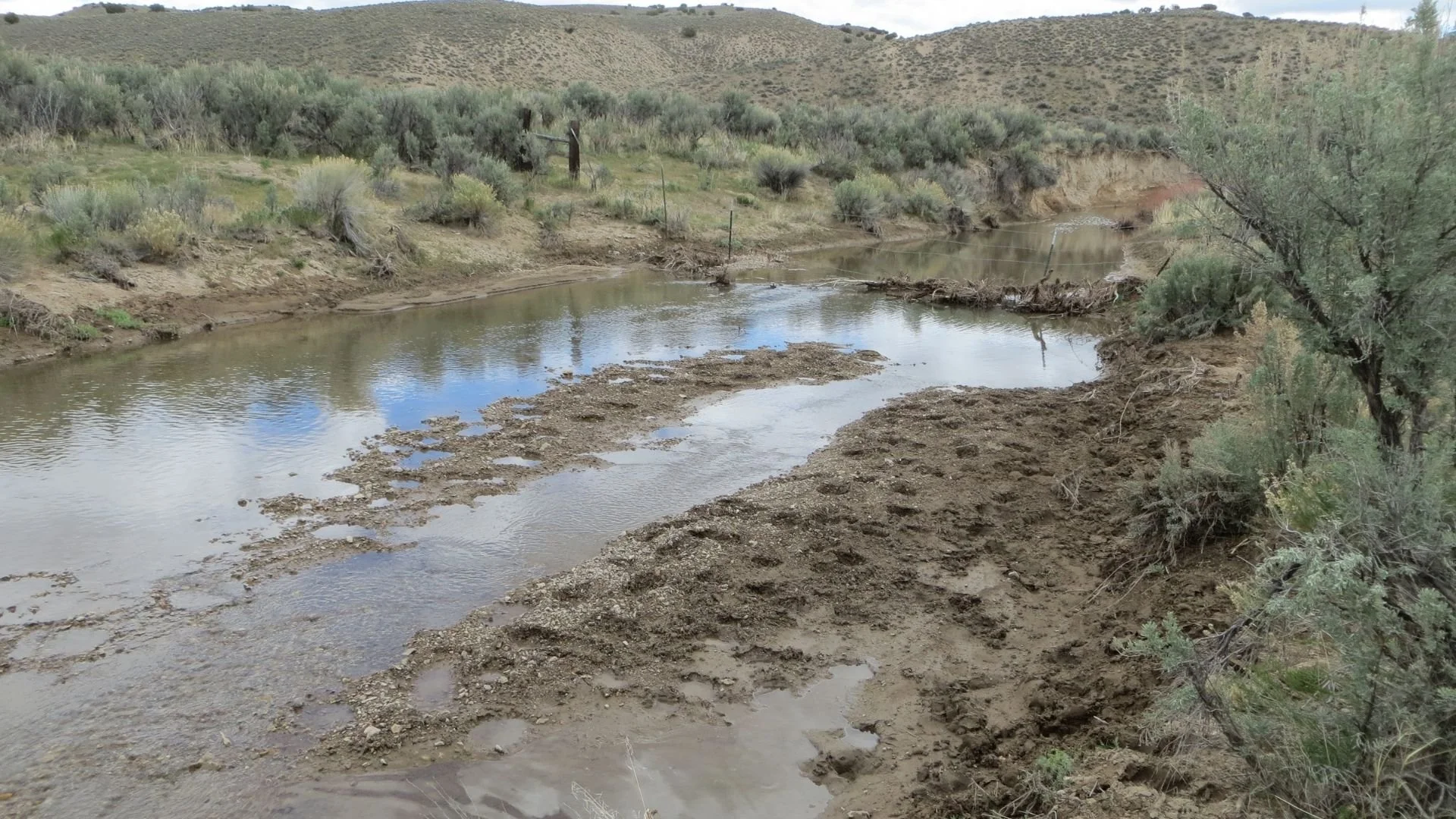
A few considerations when submitting visuals
PLEASE NOTE: Images must be of public land ONLY
Choose visuals that you believe will be genuinely useful to others, especially for education, advocacy, or media use.
Be selective. Submit only your strongest, clearest, and most impactful visuals.
Only submit visuals that are not copyrighted, or for which you have the legal right to share and allow reuse.
If the visual is your own, include precise location information whenever possible (latitude/longitude or GPS coordinates such as northing and easting). If it is not your visual, provide the most accurate location information available.
Include a brief, factual description explaining what the visual shows and why it is relevant.
Questions?
Adam Bronstein: adam@westernwatersheds.org
Mary O’Brien: maryobrien10@gmail.com